
Over a decade in the making, GTA 6 is the product of a massive RAGE engine overhaul, a historic security breach and a studio finally reckoning with crunch culture. The full road from 2014 roots through two trailers to the November 2026 launch.
- Preliminary work began in 2014, with principal production kicking off around 2020 under the codename Project Americas
- The RAGE engine powering GTA 6 is a major evolution built on Red Dead Redemption 2’s foundation, potentially the most substantial rebuild in the engine’s history
- The September 2022 leak exposed 90 clips of in-progress footage and cost Rockstar an estimated $5 million plus thousands of hours of staff time
- GTA 6 launches November 19, 2026 on PS5 and Xbox Series X|S after two delays from an original Fall 2025 window
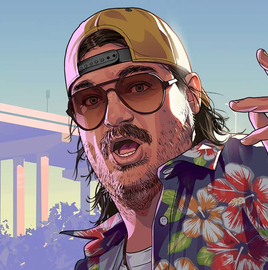
- Rockstar considered nearly four protagonists before settling on Jason and Lucia, and Rob Nelson puts a full playthrough at roughly 80 hours
Over a Decade in the Making
No game in recent memory has had a longer, more scrutinized development journey than Grand Theft Auto VI. From the moment GTA V launched in September 2013 and became a cultural phenomenon, fans started asking: what comes next? The answer turned out to be a project that would take more than a decade to reach players.
Rockstar Games began preliminary work on GTA 6 around 2014, and Rob Nelson has since put a date on it directly: the game has been in development since 2015, per his interview with the French magazine Trois Couleurs. Leslie Benzies, then-president of Rockstar North, hinted publicly that the studio was already thinking about its next open-world project. Early development moved slowly, with the full team still committed to GTA Online and building Red Dead Redemption 2, and most of the team only moved across after that game shipped in 2018. Principal production ramped up in full around 2020, under the codename Project Americas. Financial records suggest Rockstar had already been logging development expenses for at least a year before that. The gap between GTA V and GTA VI will be roughly 13 years at launch, unprecedented for the series.
Early Concepts and Shifting Plans
The earliest credible reports about what would become GTA 6 painted a picture of a game that went through several reinventions before settling on its final form. In 2018, outlets reported on an internal project that would span Vice City and parts of South America, featuring multiple major cities and a female protagonist, a genuine first for the main series. That female lead, we now know, is Lucia Caminos, one of two playable protagonists alongside Jason Duval.
Around the same time, journalist Jason Schreier reported that Rockstar’s early intent was to ship a moderately sized game and then expand it over time through post-launch updates, a deliberate effort to avoid the kind of grueling crunch that had defined earlier titles in the series. Those ambitions grew considerably as development progressed and the capabilities of next-generation hardware became clearer. Developers from Red Dead Online and several paused remaster projects were reassigned to GTA 6, consolidating Rockstar’s global studios around a single goal. The backlash against the poorly received GTA: The Trilogy - The Definitive Edition in 2021 only reinforced Rockstar’s determination to deliver something exceptional.
Jason Schreier’s Bloomberg Businessweek cover story, published in October 2026 after a day inside Rockstar North, filled in the origin with first-hand sourcing. Senior staff including Rob Nelson made their first research trip to Miami in 2015, riding with police to criminal hotspots, photographing the city from helicopters and studying nightclub lighting, and the project then carried the codename Project Americas, with early ambitions covering big stretches of North and South America before the scope settled on Miami and its surroundings. By the end of 2019 the story had its basic outline, a Bonnie-and-Clyde criminal couple robbing their way through a fictionalised Miami. The realism debates Schreier describes sound like the groceries system Nelson later confirmed cutting: developers argued over whether buying a beer should mean taking it from the fridge and paying at the counter, and whether a stat-boosting sandwich should require ingredients bought at a store. The pandemic then shut the motion-capture studios and pushed everyone home, a stretch Nelson calls a dark period, and some senior designers left before the production found its footing again.
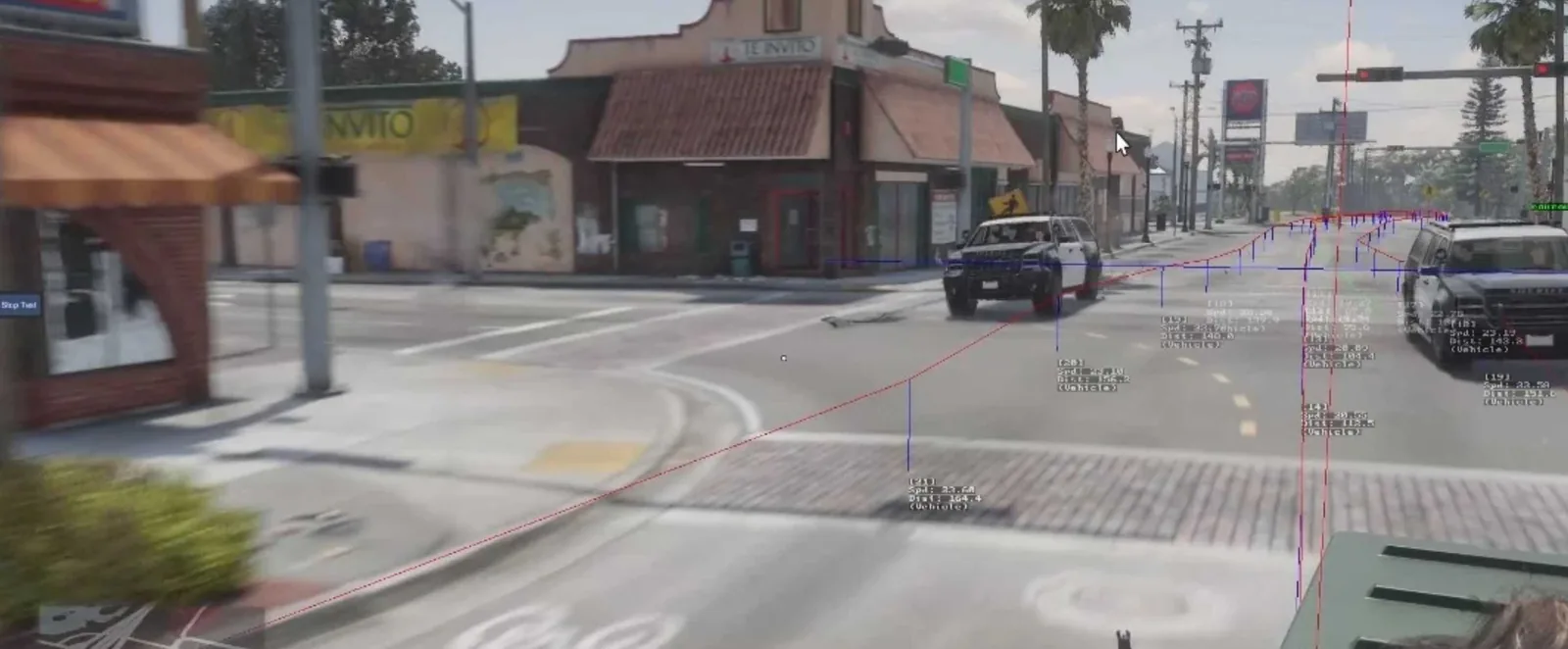
The reinventions ran deeper than setting. Rob Nelson told IGN in August 2026 that Rockstar considered nearly four playable protagonists before pulling back, worried that spreading the player’s time across four characters would weaken the bonds the story depends on, and the criminal-couple setup won out. The map went through the same funnel. A developer build of GTA 5’s PC port, dated to 2014 and dug through by the community in September 2026, contains an early conceptual GTA 6 map with a Florida panhandle, a Daytona-style speedway region and a Key West-style island chain, none of which appear in confirmed material, and the GameRoll development retrospective reads Mount Kalaga National Park as the piece that took Daytona’s slot. A concept map that old proves intent rather than cuts, but it shows how much state Rockstar once considered covering.
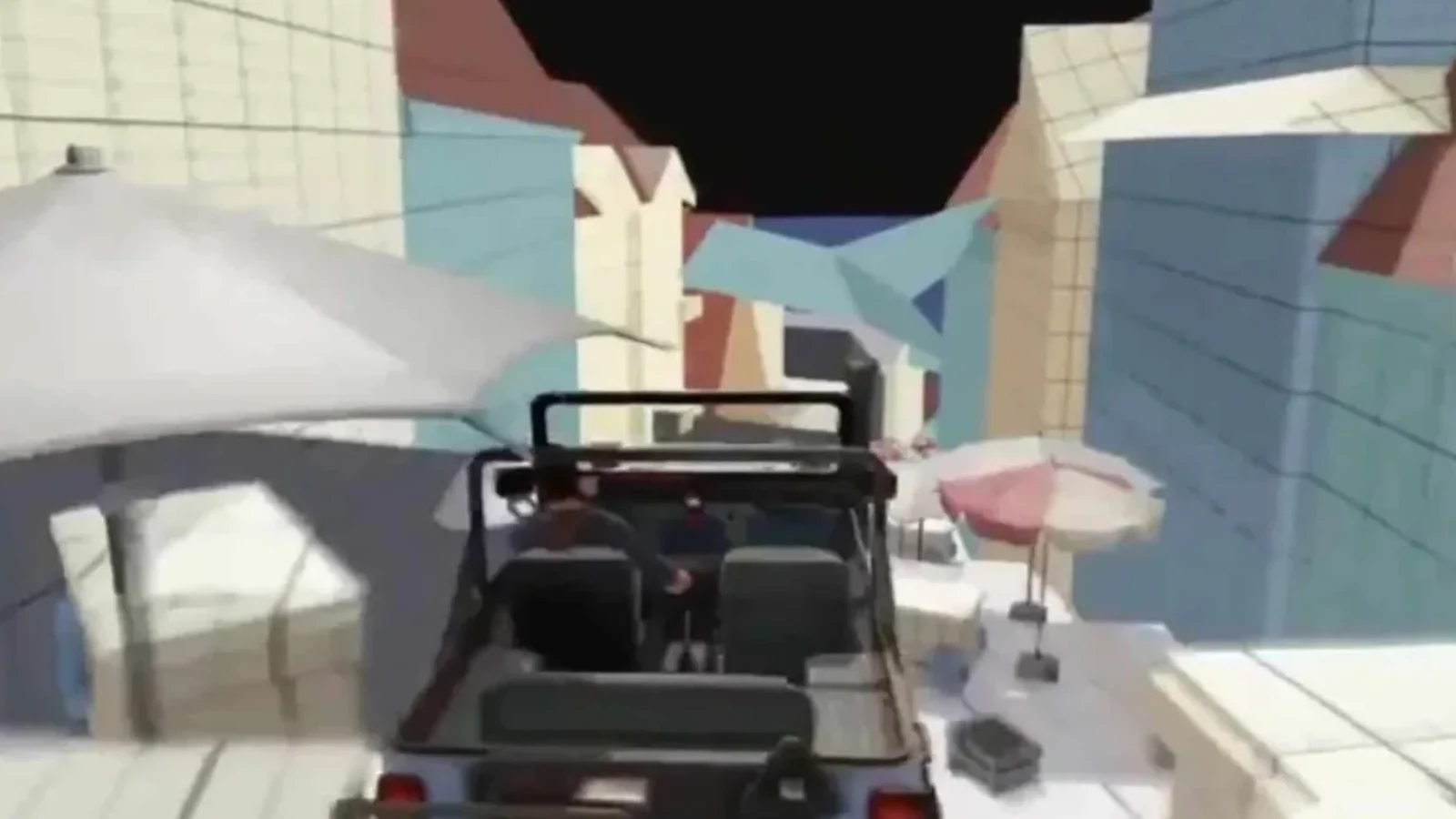
Individual mechanics were trimmed the same way. Prone movement and a more dynamic contextual cover system both appear in the leaked 2022 pre-alpha footage and have not been seen in any official material since, which GameRoll and other creators read as quiet cuts, and the same retrospective says basketball nearly followed them out in 2023 before surviving into the final game. One cut is confirmed at the source: Nelson has said Rockstar built a full system for buying groceries and restocking the safehouse fridge, then removed it to balance realism against ease of play.
Place first, then characters, then story
Interviews around the August 2026 Extended Look gave the clearest picture yet of how Rockstar actually builds a GTA game, courtesy of co-studio head Rob Nelson. The process starts with place, not plot. The team picks the setting first, and for GTA 6 the starting point was Miami, then sends people to spend real time there; a dedicated research team has been embedded in Miami, with groups of Rockstar employees visiting for over a decade. The job on the ground is a filtering exercise, working out which parts of the real city are essential to capturing how it feels. After the anchor city come what Nelson calls the spatial areas, the Everglades and the other inhabitable spots outside Miami, each chosen deliberately for what it adds that the city cannot, rather than as padding. The result, in Nelson’s description, is a warped version of reality that highlights the parts of local life the team found most interesting.
Characters come next, and they begin life as vehicles for moving players around that map. Nelson’s examples were direct: who can take us to the Everglades, who can navigate a drug deal, who is involved in a tower block getting raided by police, and that last one describes the opening mission of the Extended Look. Only then does the story get written, and it starts far smaller than most fans would guess. Rupert Humphries, the senior vice president of narrative, begins with a single page covering roughly half the story: who the main characters are, why they move here, and what they need to do. Everything else grows out of that page. Humphries shares that lineage with Michael Unsworth, his co-writer across Red Dead Redemption 2, who worked on GTA 6 before leaving Rockstar in 2023.
Structure comes from what Nelson calls tentpole missions, the big setpieces that push and pull players between regions of the map, and these are developed before everything else. In Nelson’s words, a given mission 'is going to be the catalyst that moves them from this part of the game to that part of the game'. The team then deliberately asks where players will break the plan, in Nelson’s framing: what if the player does something different, can we allow for it? That question, answered mission by mission, is how a game with major plot points still leaves room for the freedom the series is known for.
The Song-First Method, per Trois Couleurs
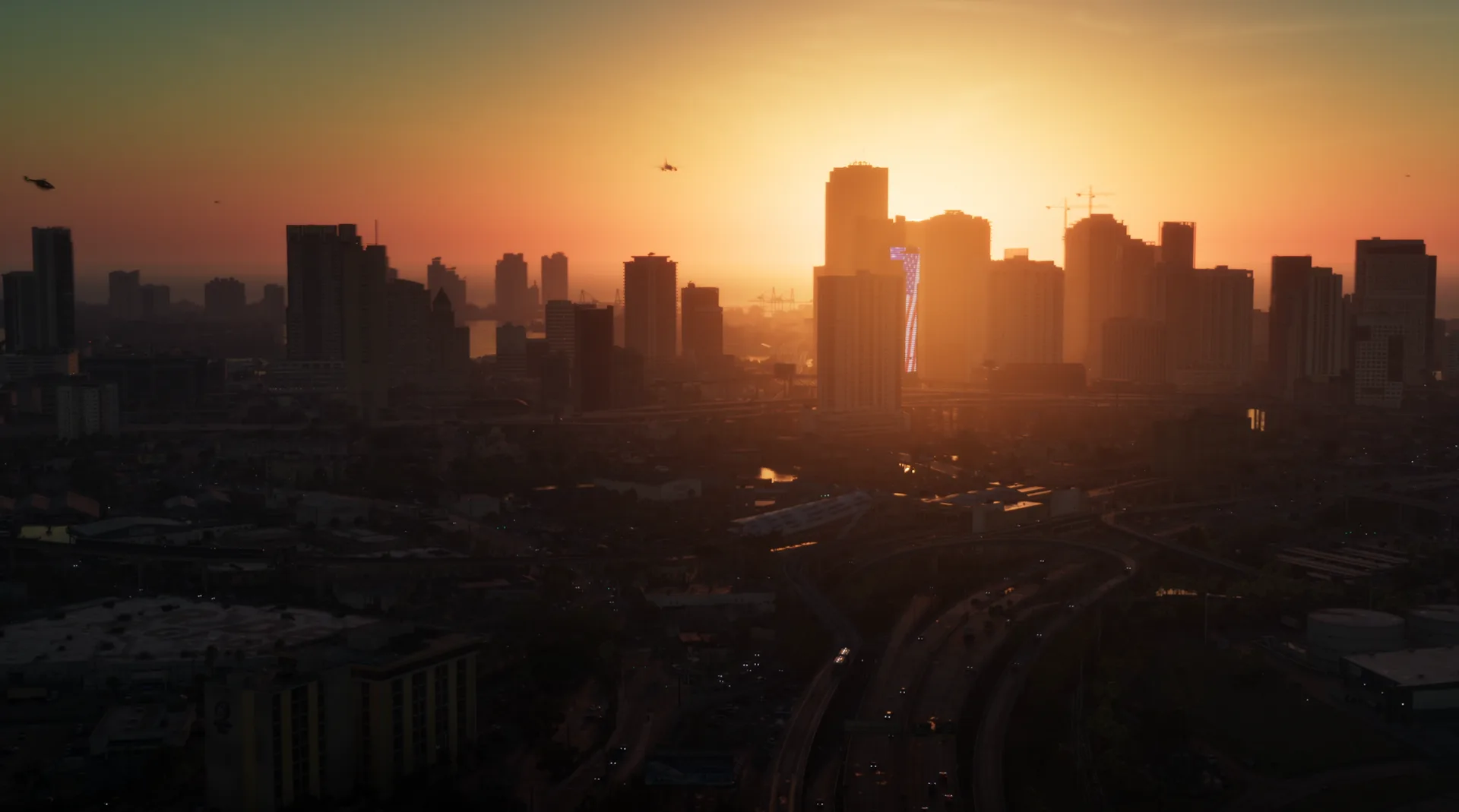
A second, complementary account of the process arrived in September 2026 from Trois Couleurs, the French magazine whose reporter Étienne Rouillon was the only French journalist inside Rockstar North, watching an hour of live play with Nelson at the controls. His previous Rockstar cover was GTA 5, in September 2013. The account starts earlier in the pipeline than place: with a song. The team gathers around a piece of music rather than an image, and Tom Petty’s Love Is A Long Road, the track that opened Trailer 1, served as a manifesto for the feeling the game chases. Location scouting trips follow, later joined by local consultants who keep the details honest.
The structural vocabulary matches the tentpole account with two additions: the game is divided into chapters, and what Nelson calls pillar missions move the player across the map, with Rupert Humphries’ outline described here as a page and a half. The interview also explains two long-debated creative choices. The satire targets only things likely to stand the test of time, a deliberate time capsule of influencers, streamers and challenge culture rather than jokes that date in a year. And the visuals are stylised rather than photorealistic, a conscious swerve around the uncanny valley. Nelson’s stated ambition is modest for a project this size: he would be happy if the game is remembered at all, as a satirical snapshot of its era.
The craft details are the part worth keeping. Full performance capture happens on built sets. Cutscenes hand control back without fades, a lineage running from GTA 4 and the first Red Dead, and the final shootout of a mission stays in the player’s hands. Car conversations, the series’ oldest storytelling device, get a film-critic’s framing in the same feature, with the magazine invoking Kiarostami, Panahi and Jarmusch. Down to launch week, the team was still tuning details as small as the speed of an affectionate gesture and the weight of a falling traffic cone.
Building on RAGE: The Engine Beneath the World
One of the defining technical stories of GTA 6’s development is what happened to Rockstar’s proprietary Rockstar Advanced Game Engine (RAGE). RAGE has powered every major Rockstar console release since Rockstar Games Presents Table Tennis in 2006, and each new game pushed it further. GTA IV brought it to HD open worlds. GTA V scaled it to two console generations. Red Dead Redemption 2 added dense foliage systems, advanced NPC behavior, and physically simulated weather.
For GTA 6, the engine appears to have undergone its most significant evolution yet. Former Rockstar audio engineer Rob Carr, who worked on GTA V and RDR2, stated publicly in 2026 that given the length of development, he believes the team "probably rebuilt the entirety of the RAGE Engine" and would be amazed if they had not. Sources with knowledge of Rockstar’s internal work clarified to Kotaku that the approach is more iterative than a clean-slate rewrite, describing GTA 6’s engine as an expansion of what powered RDR2, not a discard-and-restart. Either way, the result points to capabilities far beyond anything the studio has shipped before: multi-threaded AI handling thousands of NPCs simultaneously, real-time global illumination, physically simulated water, and conditional NPC dialogue that responds to weather, time of day, and player history. The RAGE engine’s evolution is, more than anything else, why this game took as long as it did.
The 2022 Leak: One of Gaming’s Biggest Security Breaches
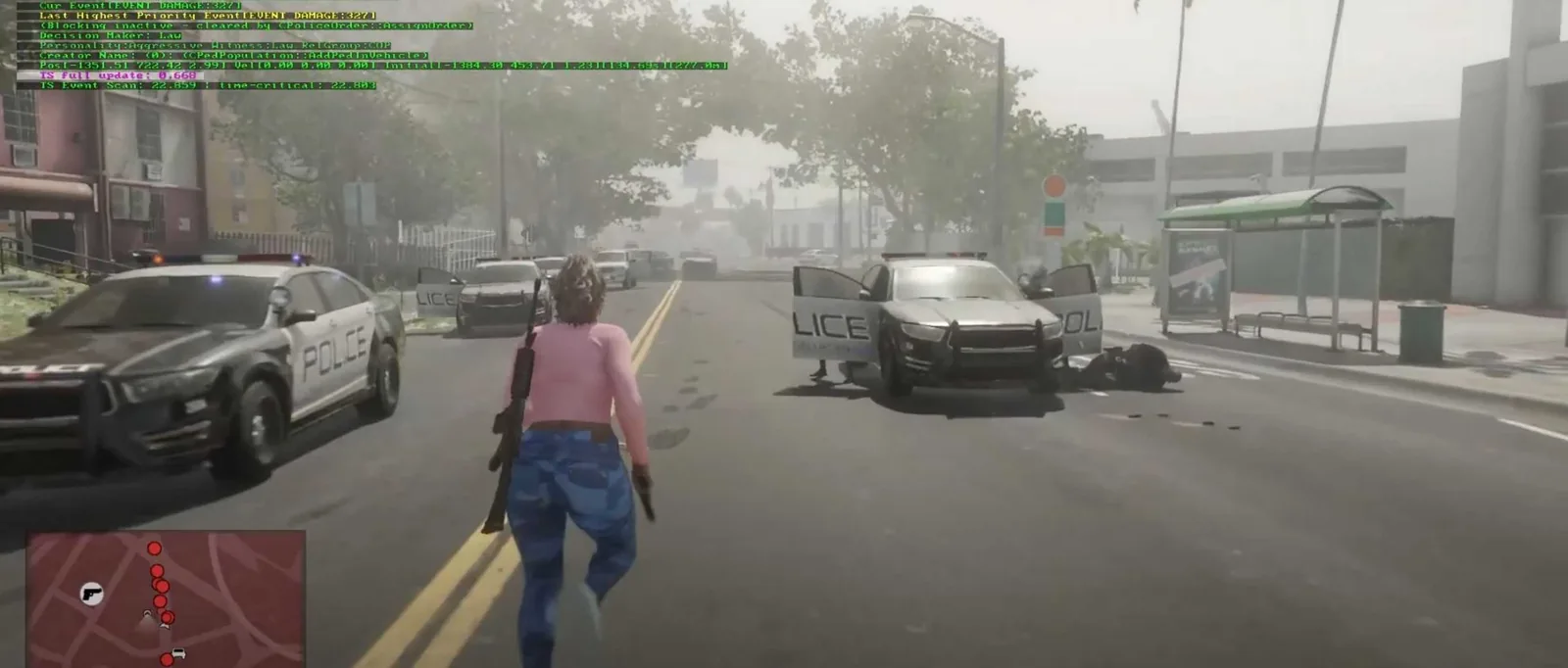
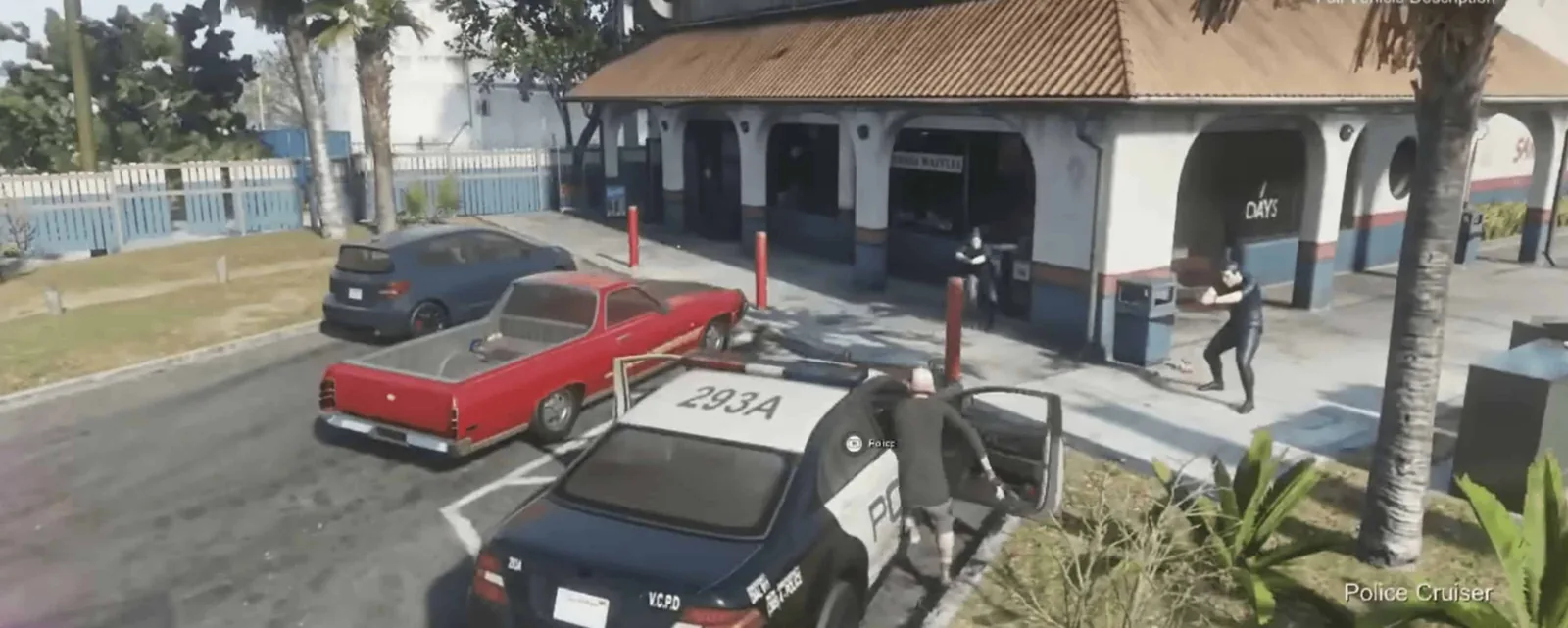
On September 18, 2022, a user going by "teapotuberhacker" posted download links to over 90 files on GTAForums. The files contained raw, in-progress development footage of what was unmistakably the next Grand Theft Auto game. Within hours, the clips had spread across every corner of the internet, with news outlets describing it as one of, if not the, largest leaks in video game history. Rockstar confirmed the footage was authentic the following day and condemned the breach in stark terms.
The leaked material revealed early builds of a modern-day Vice City, showed both Lucia and Jason in action, and exposed raw gameplay mechanics including robberies, police chases, and dynamic environmental interactions. None of it was polished or representative of the final product, but it confirmed details fans had long speculated about. Take-Two Interactive filed notice of the breach with the U.S. Securities and Exchange Commission and issued mass takedown notices across the web. The hacker, later identified as Arion Kurtaj, a key member of the international cybercrime group Lapsus$, was eventually arrested and sentenced to an indefinite hospital order. Rockstar told a UK court that the breach cost the company an estimated $5 million plus thousands of hours of staff time. Read more about the full story in our guide to the GTA 6 hacker and the complete leaks breakdown.
Crunch, Workplace Culture, and the Return to the Office
Rockstar’s reputation for demanding crunch conditions has been well documented. By 2020, the studio was publicly committing to reform. Schreier reported that management introduced leadership changes across multiple offices, brought in outside management training, and restructured production scheduling to reduce excessive overtime. Employees described the shift as meaningful, with one source calling it "night and day" compared to earlier projects.
By early 2024, the pressure of a major AAA title nearing completion pushed things in a different direction. Rockstar Head of Publishing Jenn Kolbe sent an internal memo requiring all GTA 6 developers to return to the office five days a week starting April 2024. The stated reasons were productivity and security, the latter a direct consequence of the 2022 breach. The decision sparked significant internal debate, with employees who had built their lives around flexible work arrangements voicing frustration to outlets including IGN. Reports from May 2026 suggest crunch conditions have returned in some capacity, a reminder that even genuine cultural reform can buckle under the weight of a launch deadline for the most anticipated game ever made.
A team twice the size of RDR2 and the final stretch
The preview cycle also put numbers on the production’s sheer scale. The team building GTA 6 is roughly twice the size of the one that made Red Dead Redemption 2, which was already among the largest in the industry. Rockstar’s studios span New York, Los Angeles, Edinburgh, India and beyond, and the division of labour has become remarkably specialised: the Los Angeles studio worked solely on NPCs, covering their behaviour, their outfits and a reported 600,000 NPC voice lines, with no involvement in the story or cutscenes at all. Nelson has also put a number on the other end of the pipeline, telling The New York Times that his own playthrough ran roughly 80 hours covering the main story and some side content.
Rockstar was also unusually candid about where the project stands. The studio said publicly during the preview cycle that the game is almost done, but not done, with animation, interface, audio and lighting still being polished through the final months, a point it leaned on when responding to criticism of the footage, covered in our Extended Look criticism report. Set against the roughly 13-year gap between GTA V and GTA VI, the message from the studio is consistent: the longest development in series history is ending exactly the way Rockstar planned, with a finished game being tuned rather than a troubled one being rescued.
Inside Rockstar North, per Bloomberg Businessweek
The closest outside look at the finished production came in October 2026, when Bloomberg Businessweek put GTA 6 on its cover. Jason Schreier spent a day at Rockstar North in Edinburgh in late September interviewing the people running the game, and his numbers sharpen everything above: Rockstar employed 2,441 people when Red Dead Redemption 2 shipped in 2018 and roughly 4,710 across 12 offices by August 2026. The Los Angeles studio of writers, producers and directors exists because projections showed the team simply could not produce the number of NPCs it wanted with its existing staff. On the budget, head of publishing Jennifer Kolbe gave the first on-record answer to years of guessing: the claim that the game cost more than the Burj Khalifa, a building with a reported 1.5 billion dollar price tag, is not true.
The report also settles how the delays happened. After Dan Houser’s departure, development leadership passed to the trio of Rob Nelson, Phil Hooker and Aaron Garbut, an arrangement some staff told Schreier produced growing pains and occasional conflicting direction. Rockstar’s leaders genuinely believed the 2025 window announced under Trailer 1, but the team asked for more time, and it fell to Kolbe to phone Take-Two chief executive Strauss Zelnick, first for the move to May 2026 and again for November. Zelnick admits the second call shocked him before he accepted the logic. Hooker’s explanation is deliberately boring: no single dramatic problem, just many moving pieces taking longer than hoped. His status report from September is the quote the community has adopted as a countdown mantra: the bug board shows more green than red, and November 19 is looking very real.
Two harder notes round out the piece. Schreier reports Rockstar dismissed 34 employees last year, accusing them of sharing confidential information, while most belonged to a group seeking to form a union and dispute the characterisation, a standoff covered in our controversy guide. And the leadership’s closing argument doubles as a roadmap: the engine, tools and team built for GTA 6 are described as a foundation to build sideways from, with a promise that the next release will not take another eight years.
Two Trailers, Two Delays, and a Record-Breaking Response
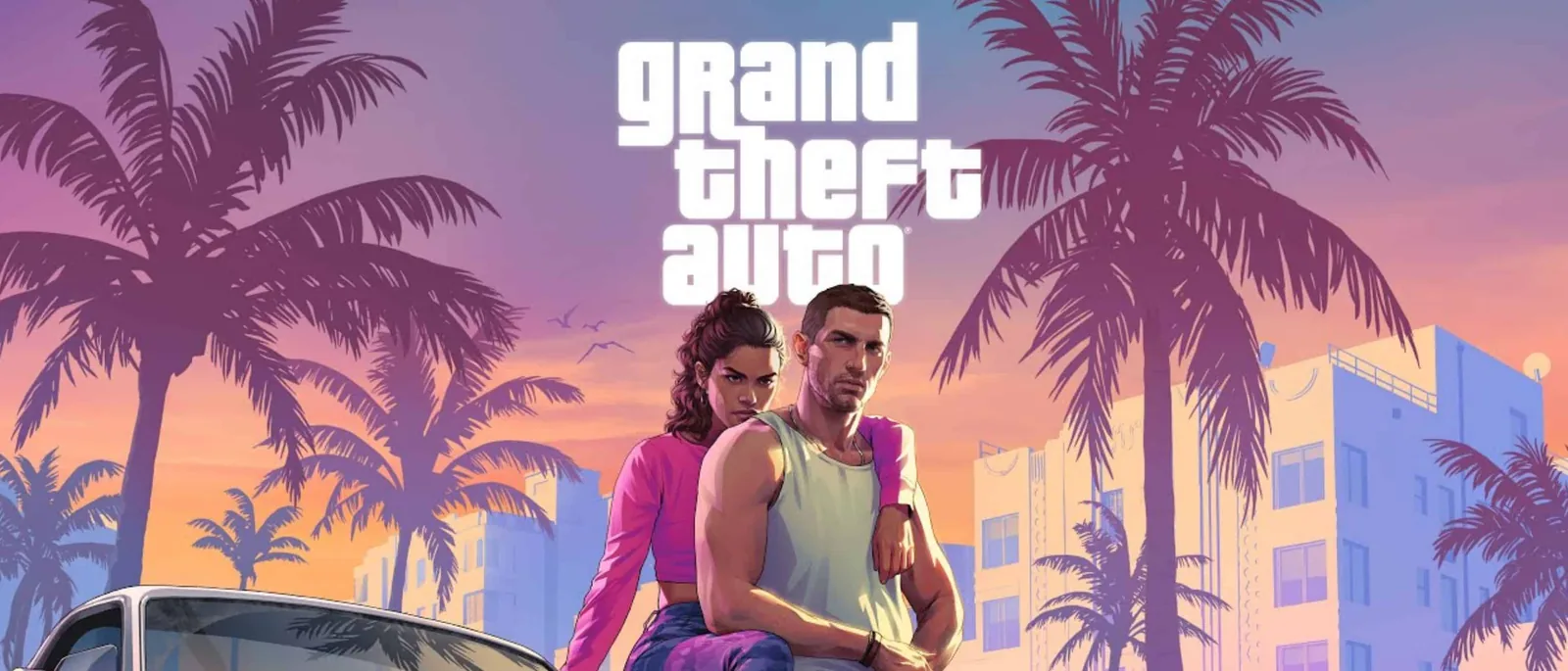
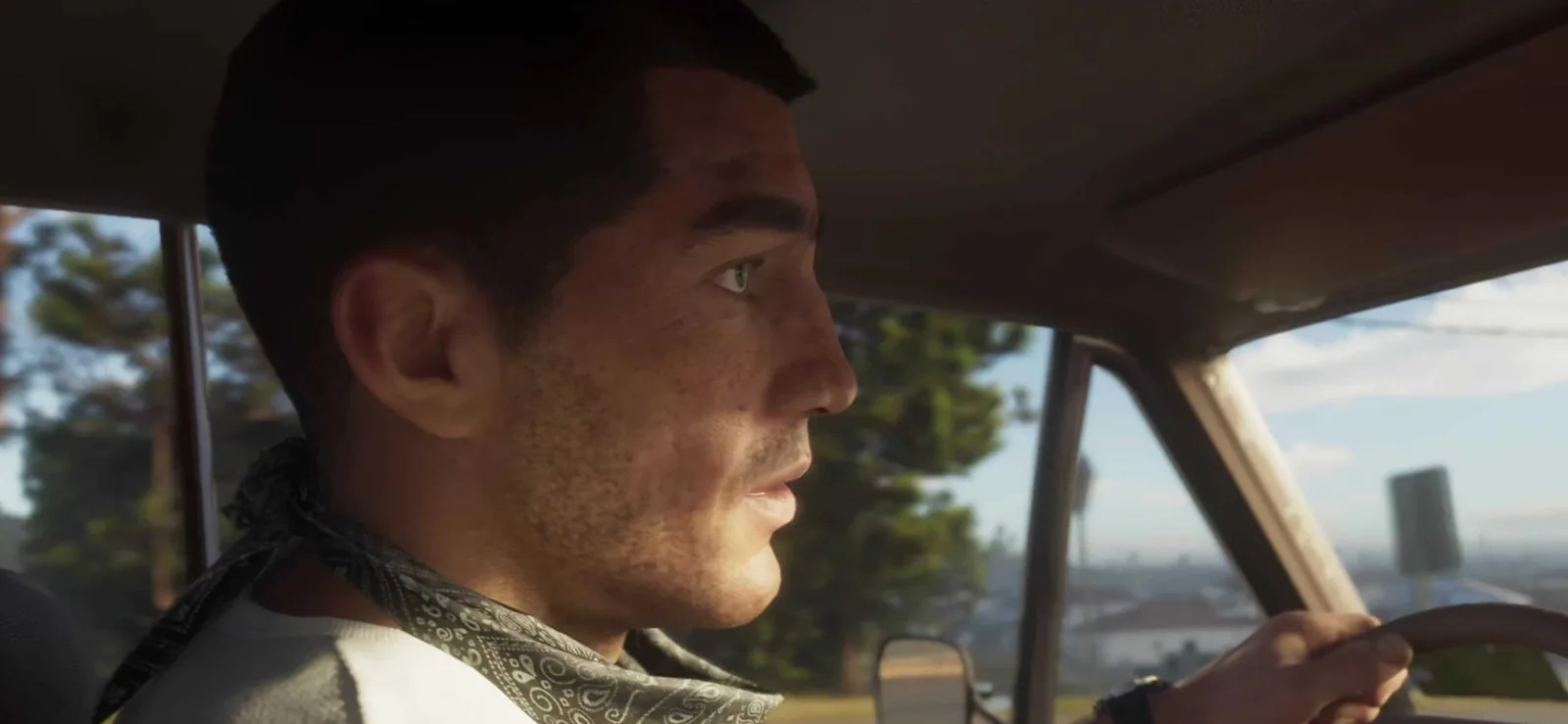
Rockstar released the first official GTA 6 trailer on December 5, 2023, and the reaction was extraordinary. The trailer, which confirmed the Leonida setting, Vice City’s neon-lit streets, and the dual-protagonist setup with Lucia and Jason, racked up over 90 million views in its first 24 hours, breaking YouTube records for a game trailer. Notably, a leak of the video just hours before the scheduled premiere forced Rockstar to push the release forward, a frustrating echo of the 2022 security breach.
The second official trailer arrived on May 6, 2025, dropping alongside the announcement of a delay from the original Fall 2025 window to May 26, 2026. Fans and press were floored by the visual fidelity on display, with many noting that the footage, captured on PlayStation 5, looked closer to a feature film than a video game. Weeks later, Rockstar announced a second delay, pushing the date to its current target of November 19, 2026, citing additional polish. Take-Two CEO Strauss Zelnick confirmed the delay was about quality, not development trouble, and marketing is expected to ramp up significantly through the summer of 2026 with gameplay deep dives and developer content still to come.
What This All Means for Players
GTA 6 is the product of a studio that set out to do something different and paid a steep price to get there. The 12-plus years of development in some form, the RAGE engine overhaul, the security failures and lessons learned, the crunch debates, and the record-breaking public response all point to the same conclusion: this is not a sequel made on a normal timeline or a normal budget. It is a recalibration of what an open-world game can be.
The November 19, 2026 launch on PS5 and Xbox Series X|S will be the culmination of everything Rockstar has built since GTA V. A PC version has not been confirmed for launch, in keeping with the studio’s history of console-first releases. What fans will get on day one is the largest, most technically sophisticated open world Rockstar has ever constructed, set across the state of Leonida with Vice City at its center. The wait has been long. Based on everything we know about how it was made, it was probably necessary.
For more on what shaped this game from the outside, check out the full announcement story and the platforms guide for everything confirmed about where and how you’ll be able to play.
Discussion
Comments · Development
No comments yet.
Loading comments…