

Rockstar has confirmed the fuel system: a roughly 10 second pump animation, cheap petrol, EV charging and repairs at stations, plus driving rebuilt around GTA 4 weightiness with GTA 5 accessibility. The leaked $32 and $2,429 prices stay unconfirmed.
- Refuelling is confirmed: you get out, hold R2 and a roughly 10 second animation fills the tank, with repair offered at the same station.
- Electric vehicles are in the game and need charging, though nobody has timed a charge yet.
- Rob Nelson says driving keeps the weightiness of GTA 4 with the accessibility of GTA 5, rebuilt from scratch with drivetrain, tyre and suspension tuning.
- Focus mode marks vehicle weak points such as tyres, the engine block and the gas tank, and individual parts can be shot off cars.
- The leaked $32 refuel and $2,429 repair prices come from an old build and remain unconfirmed placeholders.
Why Petrol Is No Longer a Question
No mainline Grand Theft Auto has ever asked you to fill a tank. Cars in these games have historically been disposable: grab one, wreck it, walk away, grab another. That era ends in Leonida, and it is no longer just a leak story. Creators who saw hours of free roam gameplay at Rockstar North have confirmed that fuel is in the game, that gas stations work as real service points offering both refuelling and repairs, and that electric vehicles need charging. Co-studio head Rob Nelson even filled a car up himself during one demo.
The August 2026 leak wave got there first, with clips showing fuel readouts, engine condition symbols, an itemised repair bill and a trunk with a slot counter. This page owns the vehicle-upkeep cluster in detail, now split between what Rockstar and the previews have confirmed and what still rests on unauthorised footage of an old internal build. The leaked mechanics guide keeps the full evidence ledger for every system in the clips.
How the Fuel System Appears to Work
The pump menu did not appear in a vacuum. Earlier clips show vehicle pop-ups carrying a small fuel symbol among other condition icons, which is what first set off the speculation. Put the readout and the priced refuel together and a loop emerges: driving drains the tank over time, stations exist to top it up, and the cost stays trivial as long as you plan for it.
What the clips never show is the failure state. Nobody runs dry on camera, so it is unknown whether an empty tank strands you, limps the car home or simply never comes up in normal play. Rockstar’s recent habit has been to add upkeep without turning play into a chore, so a slow-draining tank you top up between missions would fit the pattern; a strict simulation where every trip starts at a pump would not.
Refuelling Confirmed, Roughly Ten Seconds at the Pump
The preview sessions filled in what the leaks could not. Refuelling plays out as a short quick time event: you get out of the car, hold R2 and a full animation with an on-screen countdown fills the tank in roughly 10 seconds. Rob Nelson demonstrated it himself while driving a low-fuel car wanted by Randy, a car fence, joking on the way that he might not make it to the closest station. Afterwards he asked the creator watching whether people were going to like the feature, then noted that the fill-up was fast enough that you cannot complain about it. Rockstar clearly knows the mechanic will divide the fan base and has tuned it to stay out of the way.
The read from people who saw it in action is that fuel only becomes relevant when it is low. You will not be babysitting a gauge, but you do need to think ahead: steal a random car off the street at the last second during a police escape and there is a chance it is running on fumes, which can wreck a getaway. Attendees describe planning fuel before robberies and long trips into rural Leonida as part of the strategy layer rather than a chore.
Electric vehicles are confirmed too, with their own equivalent system. Petrol cars refuel at pumps and EVs need recharging, though nobody has timed a charge yet, so how long you sit at a charger remains an open question. The dilemma writes itself: escape a robbery in a stolen electric sports car and watch the battery run down with the police still behind you.
Engine Condition and Persistent Damage
Beside the fuel symbol sits an engine icon, and the $2,429 line item gives it teeth. A price that specific implies the game is itemising mechanical state rather than just repainting crumpled bodywork. GTA V communicated engine health through smoke, sputter and an eventual stall; the leaked interface suggests GTA 6 tracks it as a state you can read and a bill you can pay.
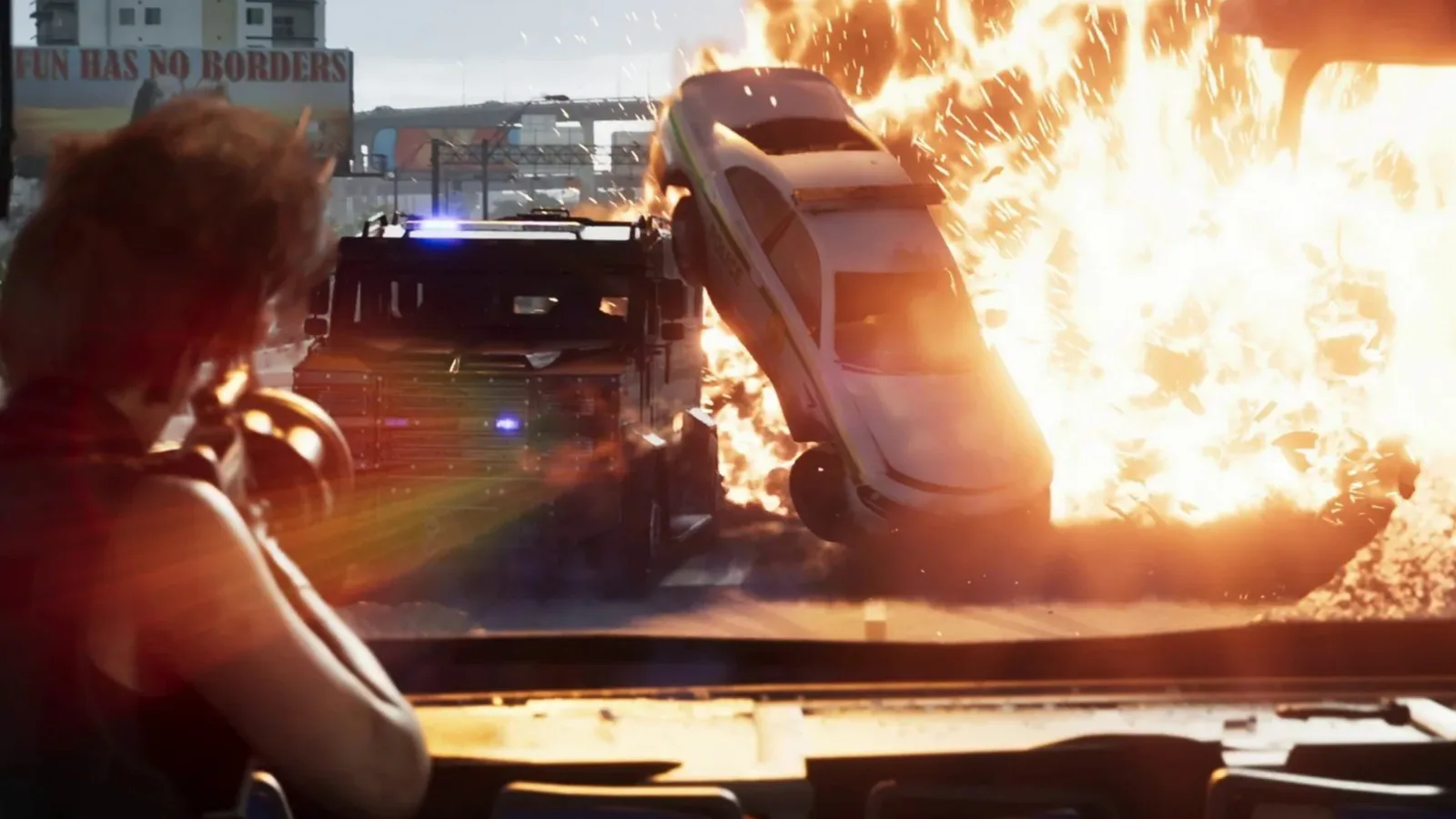
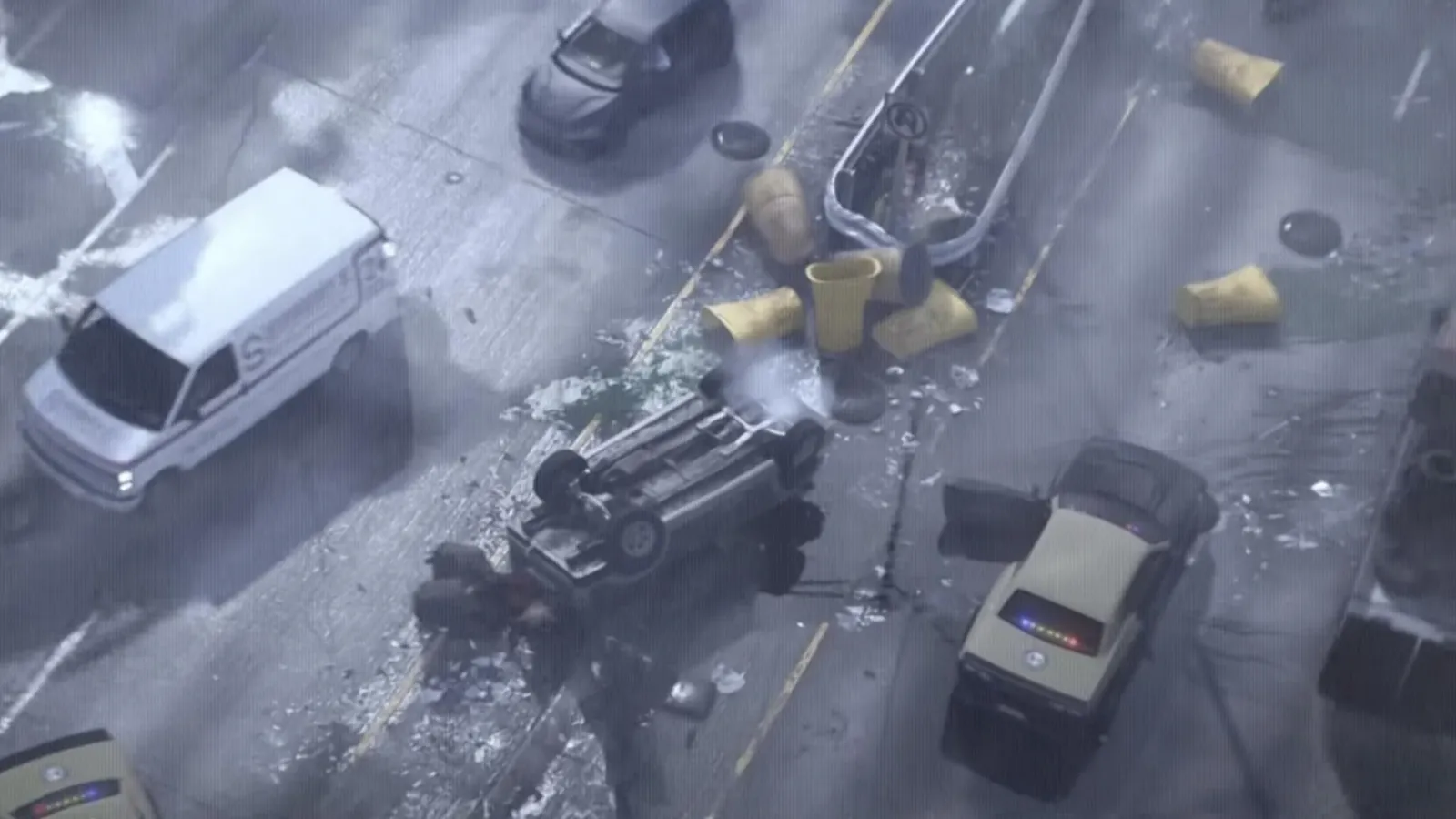
Still open: whether damage degrades performance gradually, whether a bad enough crash totals a car for good, and whether mod shops fold repair into tuning. The slow-motion cinematic cut during the bridge crash in the same clip at least shows the game now treats wrecks as events worth staging rather than cosmetic noise.
Driving Rebuilt Around GTA 4 Weightiness
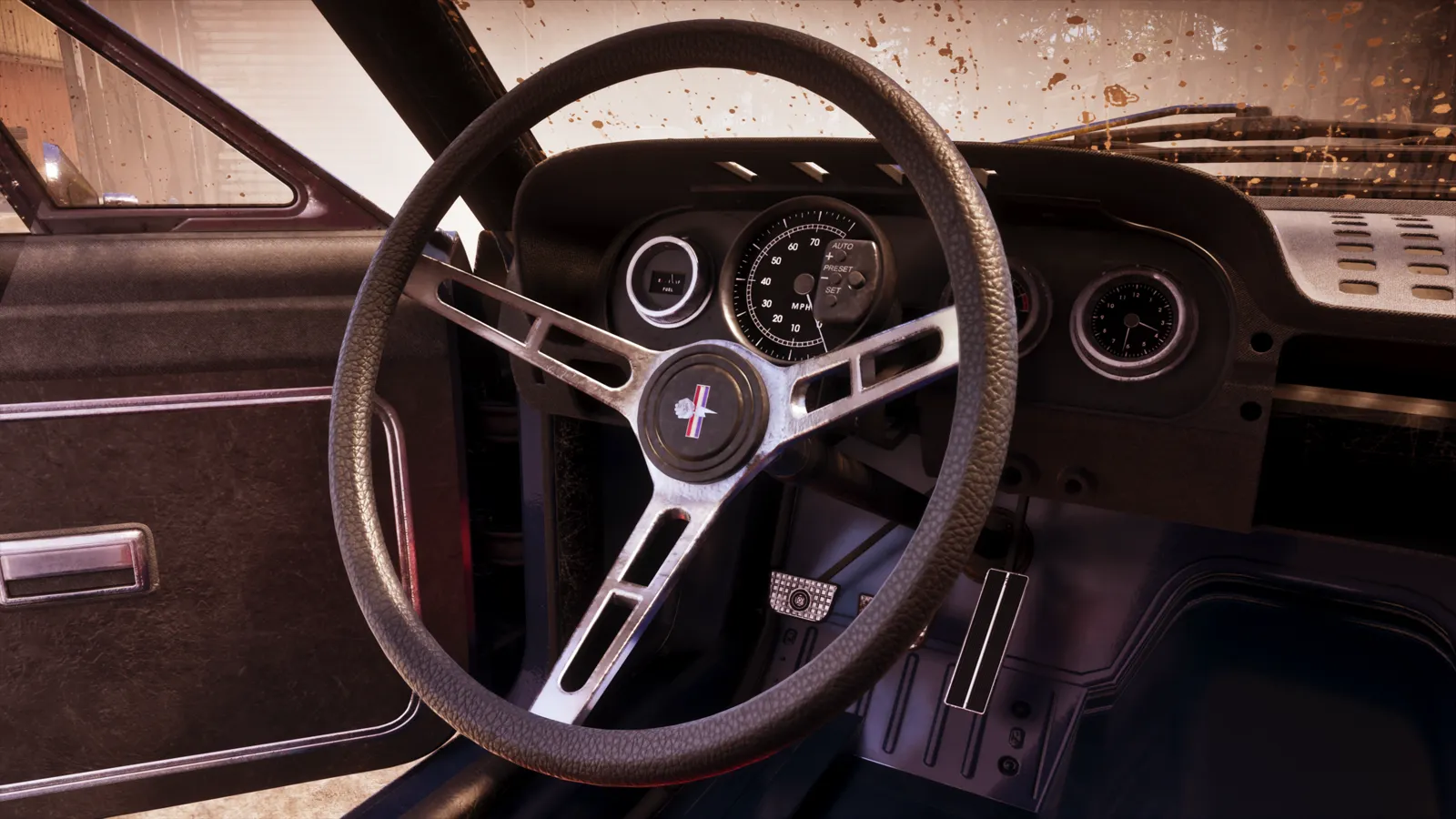
The other confirmed overhaul is the driving model itself. Asked directly whether driving is as weighty as GTA 4, Rob Nelson answered 'only in the best way possible', saying the team has worked hard to maintain some of the best parts of the weightiness and feel of GTA 4 while keeping the accessibility of GTA 5. The physics have been built up from scratch on current hardware, and the team now has much more control tuning the drivetrain, tyres, suspension and steering, all of which feeds the physics model. Nelson describes the result as weightier but still very accessible, with every car feeling distinct.
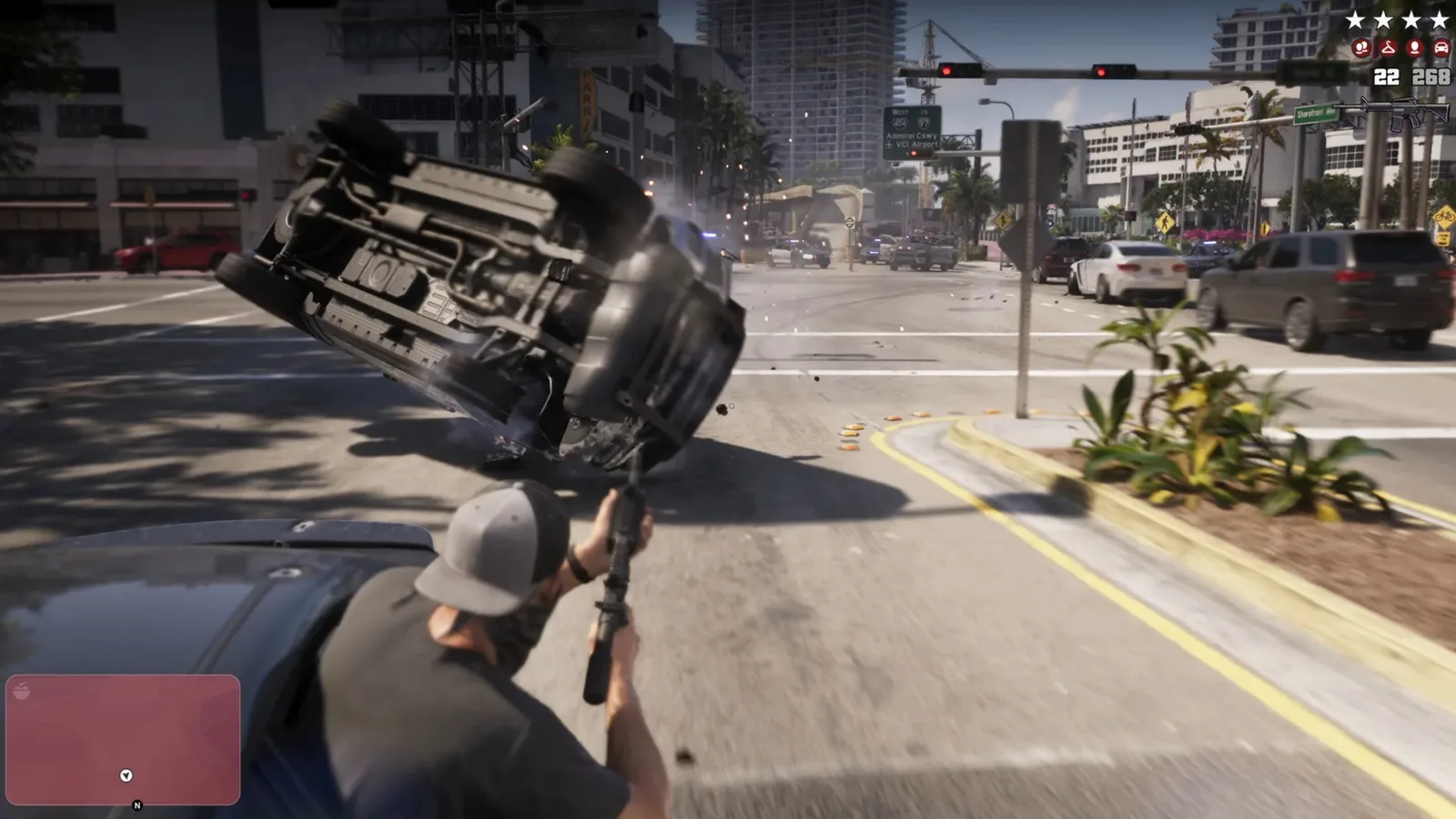
Top speeds are higher than GTA 5, and Nelson says powerful rear-wheel-drive muscle cars demand more care on the throttle. Traffic density is far higher than previous games and the roads are narrower, so clean driving actually matters. Motorcycles and the fast cars are described as very quick, while high-end supercars are deliberately poor off road, with off-road tuning mattering for the vehicles actually built for it. Racing is back in force as well: the Extended Look showed underground street racing with nitrous, and preview coverage points to both lap and point-to-point races. The consensus from those who watched it played is a middle ground between GTA 4 and GTA 5. Two smaller confirmations round it out: fuel prices do not go up and down, Nelson says, and stolen cars can already be part empty on fuel or battery, so an impulse getaway car may need a pump sooner than you planned. Preview sessions also describe surfaces responding to traffic, with mud and sand visibly deforming as vehicles pass through.
The Trunk: Storage, Loadout and 0/4
The third leg is storage. Leaked frames show a trunk interface offering storage and loadout options with a 0/4 counter, which reads as a slot-limited car inventory. Combine that with reports that you cannot carry every weapon at once and the car stops being transport and becomes your kit bag: pick four things, and choose them before the job, not during it.
The knock-on effects are easy to sketch. A venue that forces you to holster your weapon, like the strip club in clip eight, makes the loadout waiting in the car park a tactical question, and abandoning a stolen ride after a heist could mean abandoning gear with it. The wider inventory reading, including the weapon-wheel implications, is graded row by row in the mechanics ledger.
Weak Points, Tyre Shooting and Parts That Come Off
Vehicle damage now has a targeting layer. The new Focus ability slows time in the style of Red Dead’s Deadeye and highlights weak points on both NPCs and vehicles. On cars those weak points include the tyres, the engine block and the gas tank, so disabling a pursuer becomes a matter of picking the right component rather than spraying at the driver. The wider gunplay context sits in the combat and gunplay guide.
Destruction has been overhauled to match. You can now shoot individual parts off cars, and shooting tyres is described as incredibly effective: hit ones send pursuing vehicles drifting sideways and flipping rather than limping on, and you cannot drive on shredded tyres the way GTA 5 allowed. The Extended Look’s four-star chase showed Jason taking out the front tyre of almost every cop car he saw, and it cuts both ways, because police will shoot at your tyres while you are escaping a wanted level. High-speed wrecks now trigger a burnout-style crash cam, which can be toggled off in the settings.
What This Does to How You Play
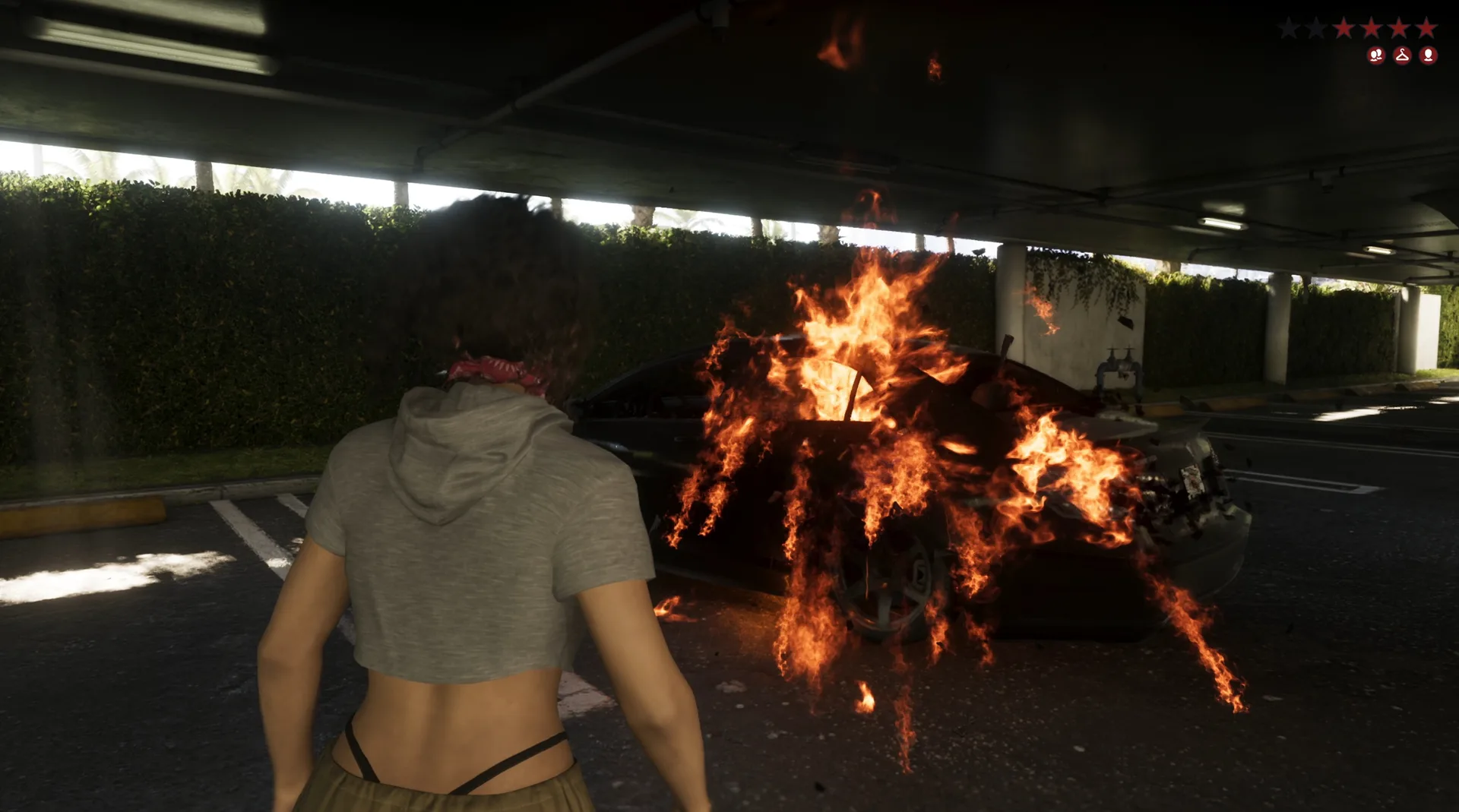
Add the three systems together and vehicles stop being ammunition. A car you fuel, fix and pack is a car you keep, and everything downstream follows from that: gas stations become destinations and robbery magnets, a long run into rural Leonida wants a full tank, and the beater you start the game with becomes a liability that makes the first reliable car feel earned.
It also finally gives the map’s petrol stations a job. Every GTA has modelled them as scenery or explosion props; clip seven shows one working as an actual service point with a queue of consequences attached. For the catalogue of everything you might be fuelling, see the vehicles hub.
What to Trust Before November 19
The trust ladder has shifted since this page first went up. Confirmed through official previews and the Extended Look: fuel exists, refuelling is a roughly 10 second hold-R2 animation with an on-screen countdown, gas stations offer repair as well as fuel, electric vehicles need charging, the driving model has been rebuilt from scratch around GTA 4 weightiness with GTA 5 accessibility, and Focus mode marks vehicle weak points such as tyres, the engine block and the gas tank.
Still leak-tier: the $32 refuel and $2,429 repair prices, which come from an old internal build and should be treated as placeholders, and the 0/4 trunk counter, though preview reporting on duffel bag storage points the same way. Still unknown: what happens when a tank actually runs dry, whether a bad enough crash totals a car for good, and how EV charging times compare with a petrol fill-up. For the running story of how the original clips escaped, start with the leaks guide.
Discussion
Comments · Fuel & Car Damage
No comments yet.
Loading comments…